

Manuscript preparation
Review chapter structure, credits, pronunciations, footnotes, visual references, and passages that need adaptation for listening.
- Recording script
- Pronunciation guide
- Chapter organization
Professional audiobook production
Shape your finished manuscript into an immersive listening experience through thoughtful performance direction, careful audio finishing, and release-ready delivery.
From page to performance
An audiobook asks every sentence to work aloud. Voice, pacing, pauses, character choices, pronunciation, and sound consistency all influence whether the listener remains inside the book.
Our production approach connects the creative decisions with the technical ones, so the finished audio feels natural, continuous, and faithful to the manuscript.
One connected production
Choose focused support or coordinate the complete listening edition around your manuscript, narrator, audience, schedule, and intended release route.
Review chapter structure, credits, pronunciations, footnotes, visual references, and passages that need adaptation for listening.
Define voice qualities, pacing, emotional range, character treatment, and the relationship between narrator and listener.
Keep sessions organized around clarity, room tone, performance continuity, clean takes, and efficient correction notes.
Refine raw recordings, remove unwanted distractions, balance levels, and prepare a consistent technical listening experience.
Check the audio against the manuscript, confirm chapter order and credits, and review technical consistency before delivery.
Organize final chapter files, retail sample audio, naming, supporting details, and practical submission guidance.
 MANUSCRIPT → PERFORMANCE → MASTER
The page-to-performance bridge
Editing is not about making the recording feel processed. It is about removing the moments that pull a listener out of the experience while preserving the character of the performance.
Breath, silence, emphasis, and movement should support meaning rather than feel mechanically uniform.
Voice, pronunciation, energy, tone, and recording quality remain coherent across sessions and chapters.
Cleanup and mastering create consistency without flattening the narrator’s presence or emotional range.
Interactive narration studio
Select an approach to see how point of view, audience, character range, and author presence can change the production plan.
A single performer can create intimacy and continuity across fiction or nonfiction while using controlled variation for characters, quotations, and emotional shifts.
A clear production path
Defined checkpoints keep voice decisions, recordings, corrections, technical finishing, and final delivery in the right order.
Review genre, audience, length, point of view, characters, pronunciations, credits, and production needs.
Confirm narration approach, voice direction, pace, emotional range, and a representative sample.
Capture organized sessions with continuity notes and clear identification of corrections or pickups.
Clean the audio, balance the listening experience, and complete manuscript and technical quality checks.
Deliver named chapters, credits, a retail sample, and supporting information for the selected route.
Stories with listening potential
Selected MedFord books demonstrate the range of tone, audience, pace, and atmosphere an audiobook direction may need to interpret.
 01
01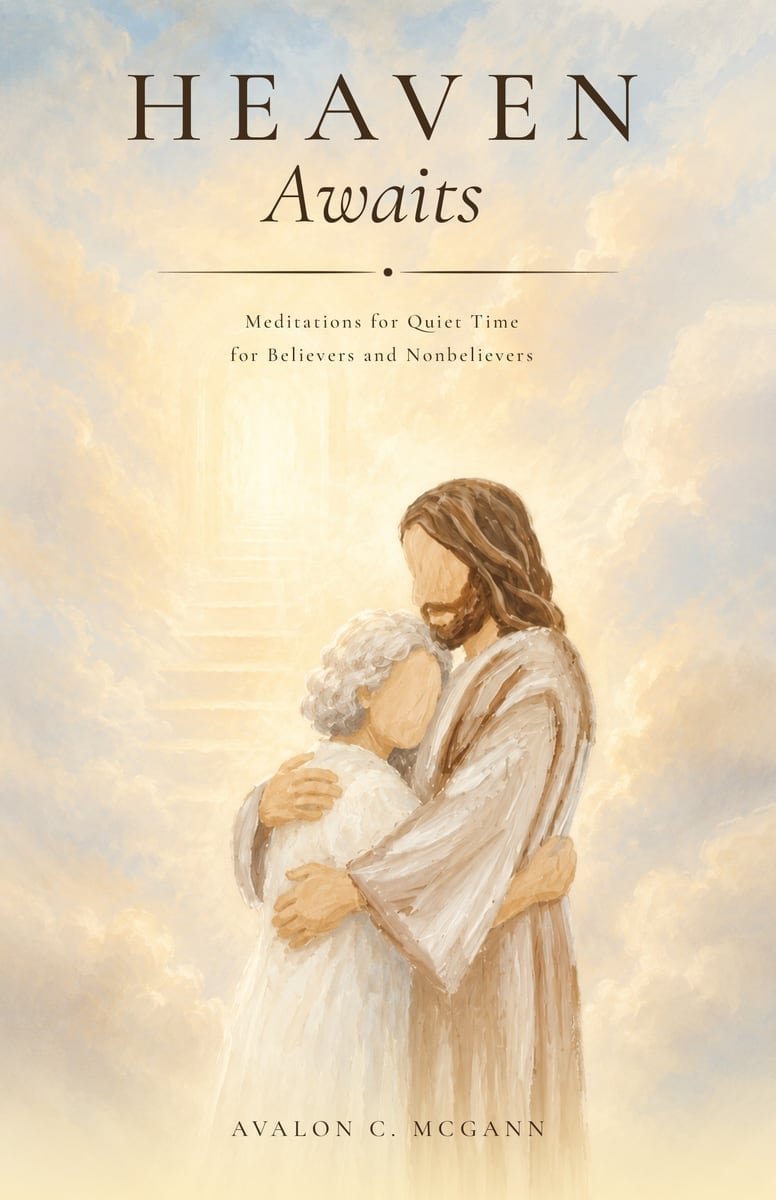 02
02 03
03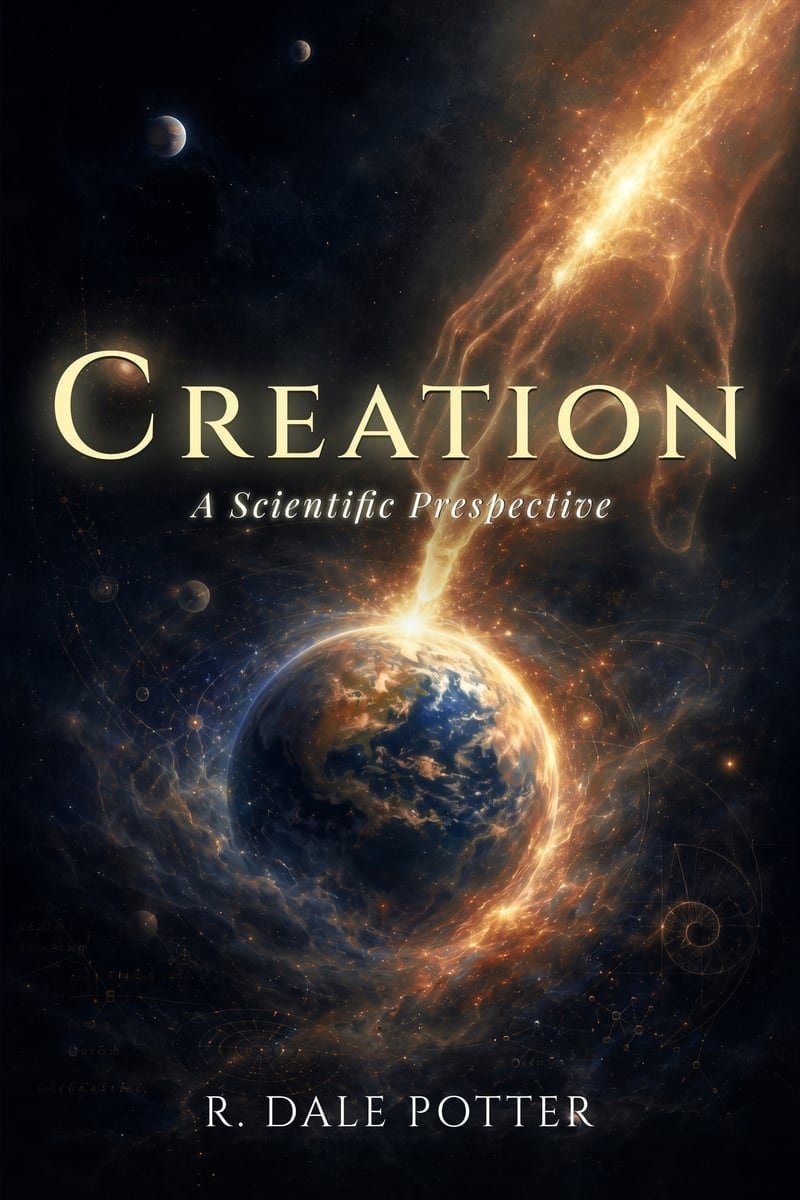 04
04 05
05 06
06 07
07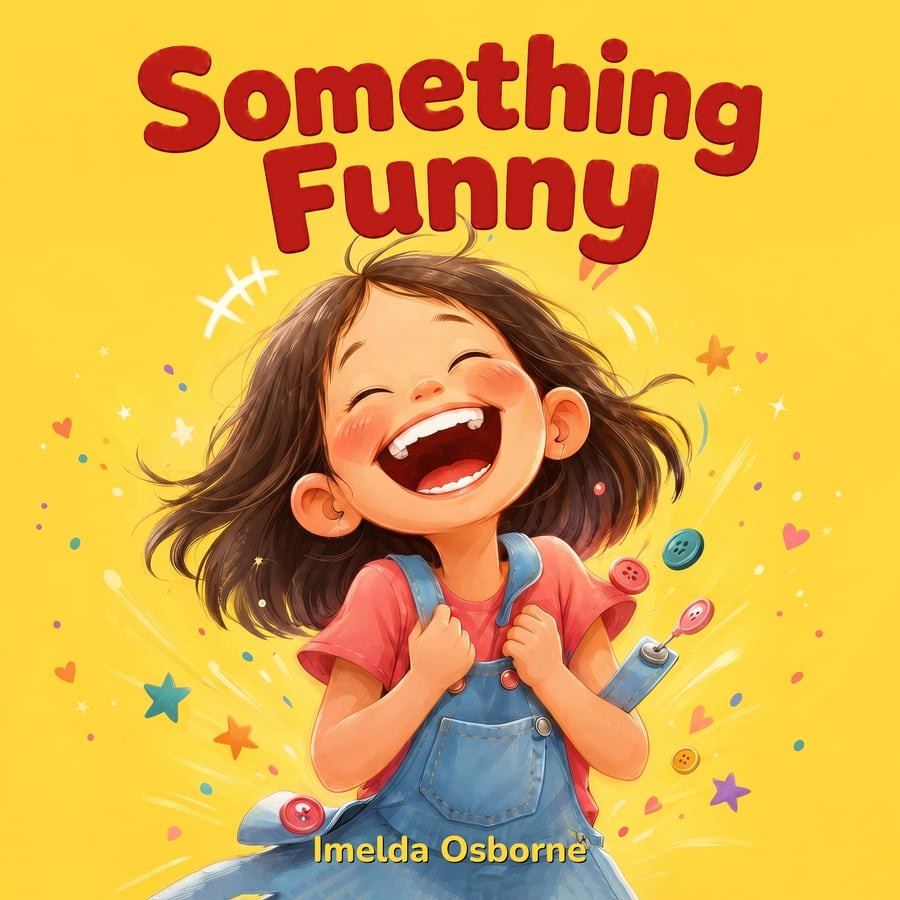 08
08 09
09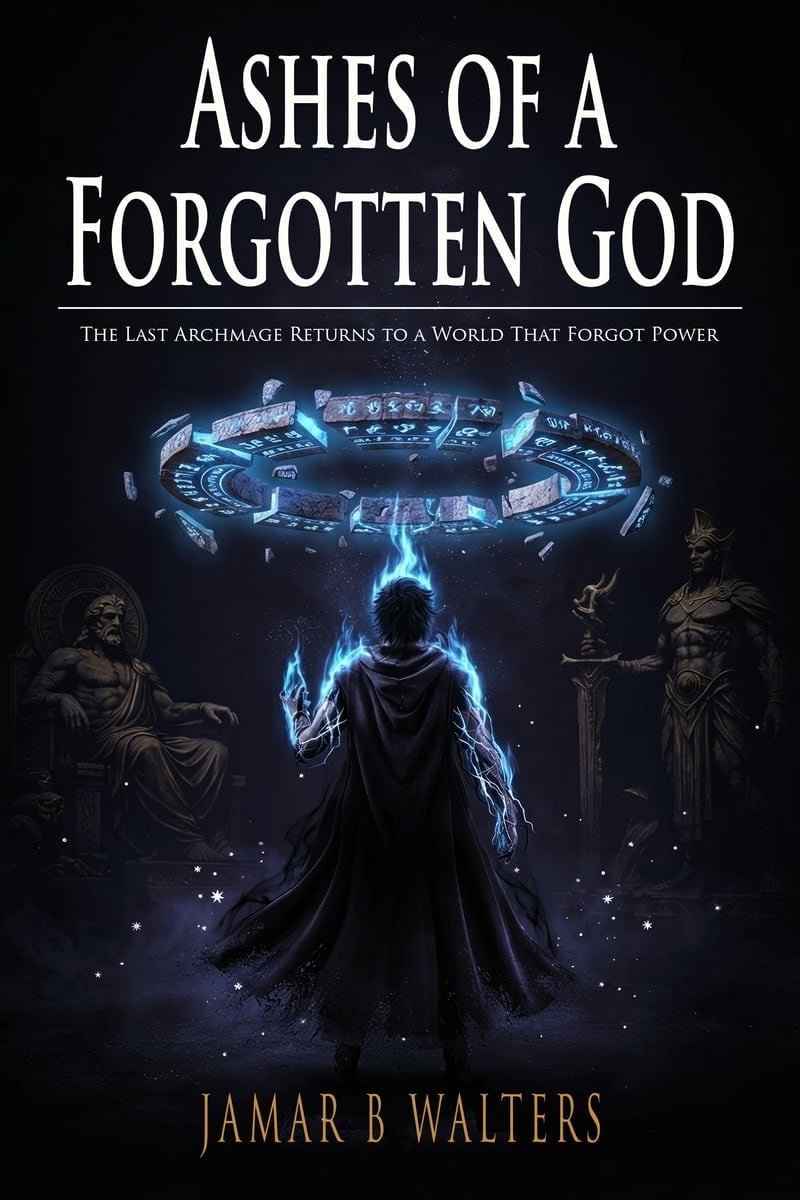 10
10 11
11 12
12 13
13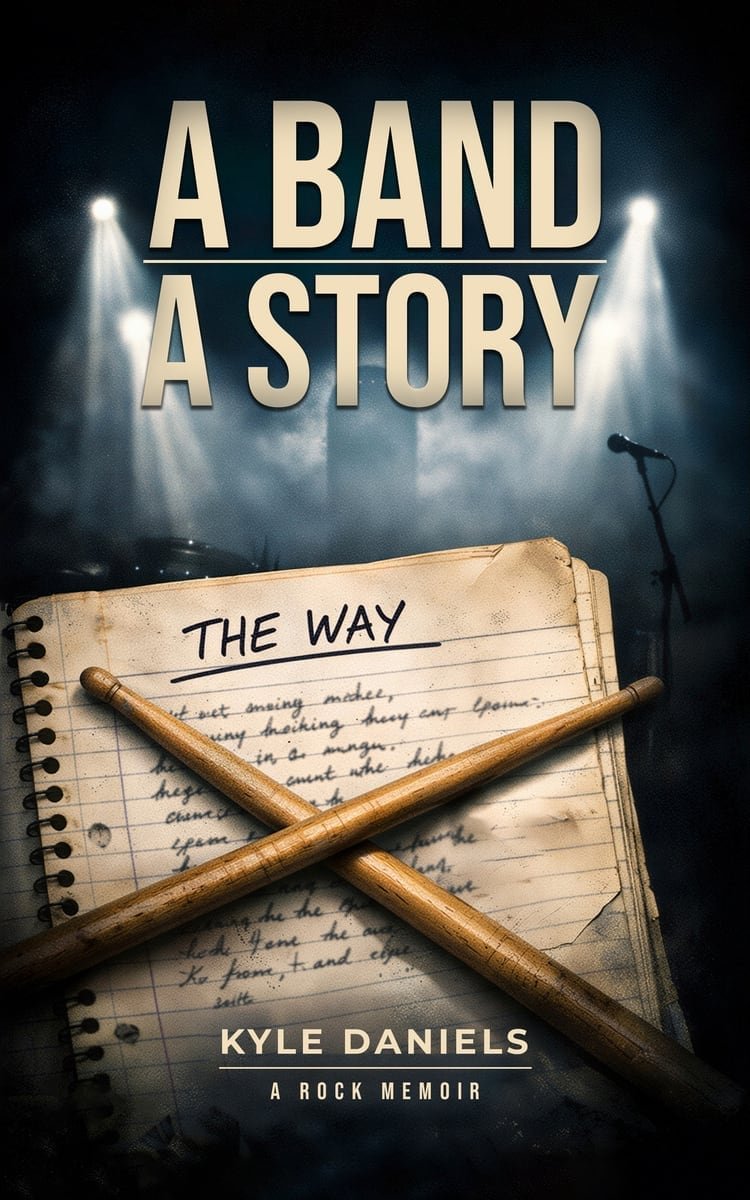 14
14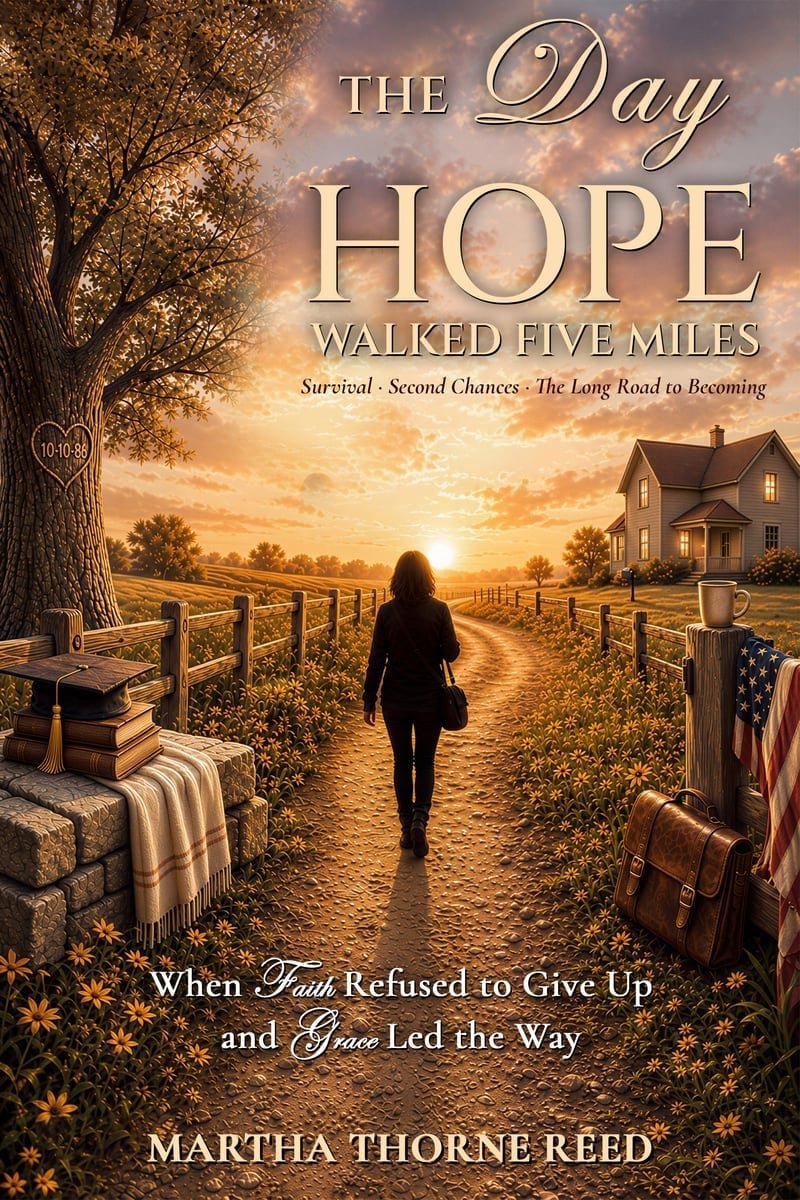 15
15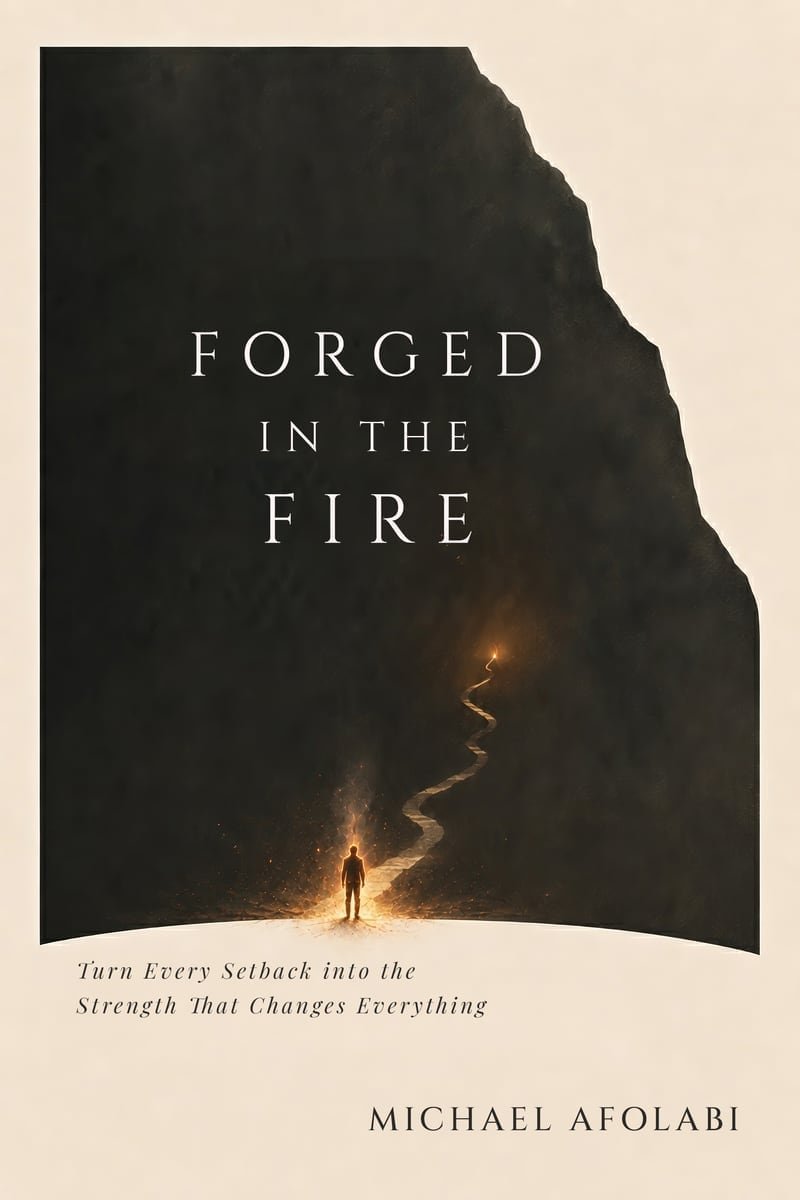 16
16 17
17 18
18The details listeners should not notice
Technical care is successful when the listener can stay focused on the ideas, characters, and emotion rather than the recording itself.
Before recording begins
Voice, scope, schedule, review stages, deliverables, and release requirements should be clear before the full manuscript enters the booth.
A project may include manuscript preparation, narration planning, recording support, editing, mastering, quality control, retail sample preparation, and clearly organized final files. The exact scope is confirmed before production begins.
Yes. Author narration can be a strong choice for memoir, thought leadership, education, and other voice-led projects. Direction can focus on recording setup, pacing, consistency, pronunciation, pickups, and performance confidence.
Timing depends on manuscript length, narration format, recording schedule, performance complexity, revisions, and quality-control requirements. A realistic production schedule is defined after the manuscript and intended approach are reviewed.
Yes. Fiction often requires detailed character and performance direction, while nonfiction may prioritize authority, clarity, rhythm, and listener comprehension. The production plan should follow the book.
Files can be edited, mastered, named, and reviewed against the current specifications of the selected destination. Final acceptance remains subject to each third-party platform’s own policies and review.
Voice direction and approval checkpoints should be established before the complete manuscript is recorded, reducing avoidable performance changes later.
Start with a conversation
Tell us what you are creating and where you are in the process. We’ll help you identify a practical next step without pressure or a one-size-fits-all package.
Your next chapter starts here
Share where you are in the process. We’ll recommend a focused next step for your manuscript and goals.
Schedule a free consultation