

Children’s books
Expressive visual storytelling planned around age range, page rhythm, emotional tone, and the relationship between words and pictures.
Story · Rhythm · Wonder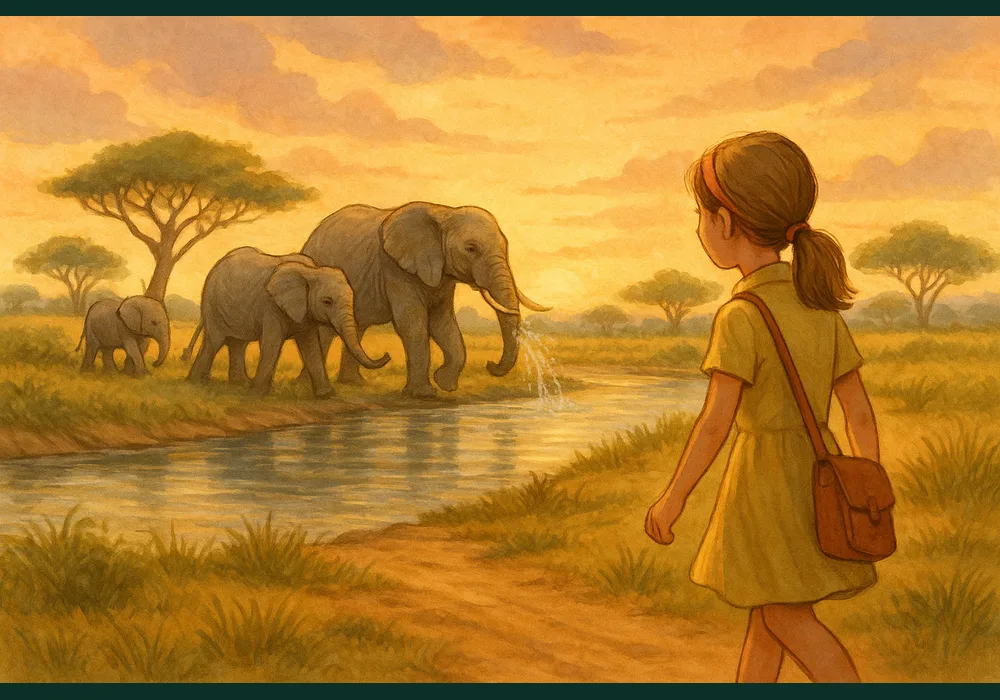
Professional book illustrations
Develop a visual language around your manuscript one that makes characters recognizable, scenes emotionally clear, and every page feel connected.
More than decoration
The strongest illustration programs begin with the manuscript. We identify the emotional turns, essential characters, setting, pacing, and page purpose before deciding how the art should look.
That foundation creates artwork that supports the words, guides attention, and feels coherent from the first appearance of a character to the final scene.
What we illustrate
Choose a focused illustration service or coordinate a complete visual program across the book, cover, digital edition, and promotional material.
Expressive visual storytelling planned around age range, page rhythm, emotional tone, and the relationship between words and pictures.
Story · Rhythm · WonderDistinctive characters shaped through silhouette, proportion, expression, clothing, movement, and repeatable visual references.
Pose · Expression · IdentitySingle pages and complete spreads composed around action, atmosphere, setting, and each scene’s most important story beat.
Scene · Focus · EmotionOriginal artwork created to establish mood, invite curiosity, and leave intelligent space for title and author typography.
Concept · Image · HierarchyClear, approachable visuals that help readers follow explanations, activities, sequences, and age-appropriate learning material.
Clarity · Sequence · LearningClean monochrome artwork for activity books, coloring pages, spot illustrations, chapter ornaments, and selected interiors.
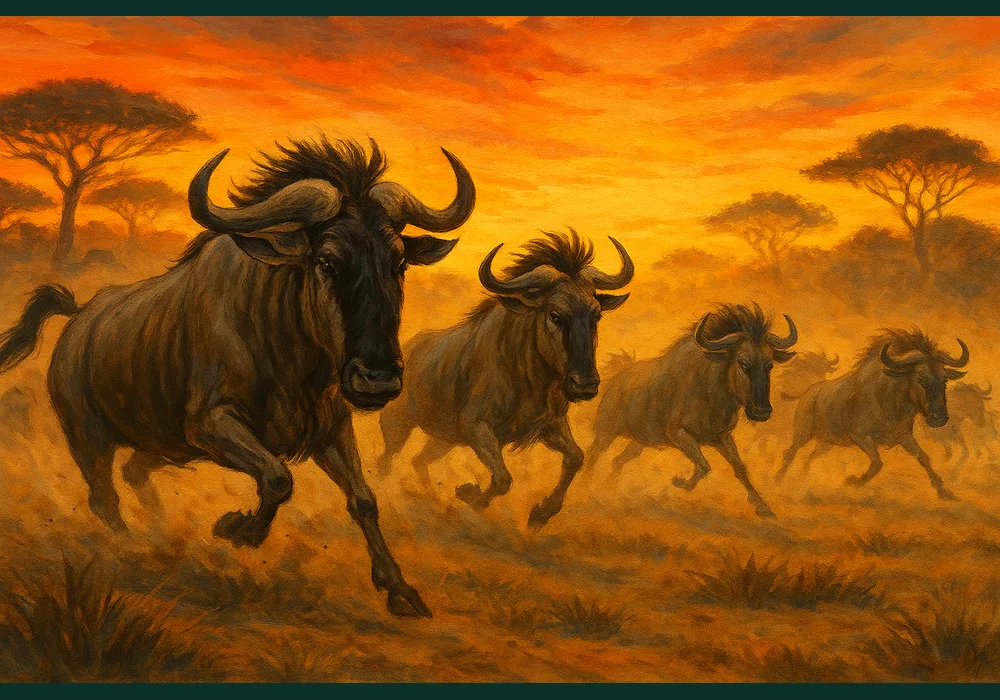
Line · Detail · PrintAtmospheric characters, creatures, environments, and key moments developed for imaginative and genre-led stories.
World · Mood · MythArtwork organized for trim, orientation, bleed, safe areas, resolution, color requirements, and final delivery formats.
Trim · Bleed · Output01 / 04 ART DIRECTIONSInteractive art-direction studio
Select a direction to see how audience, mood, movement, and production needs influence the illustration language.
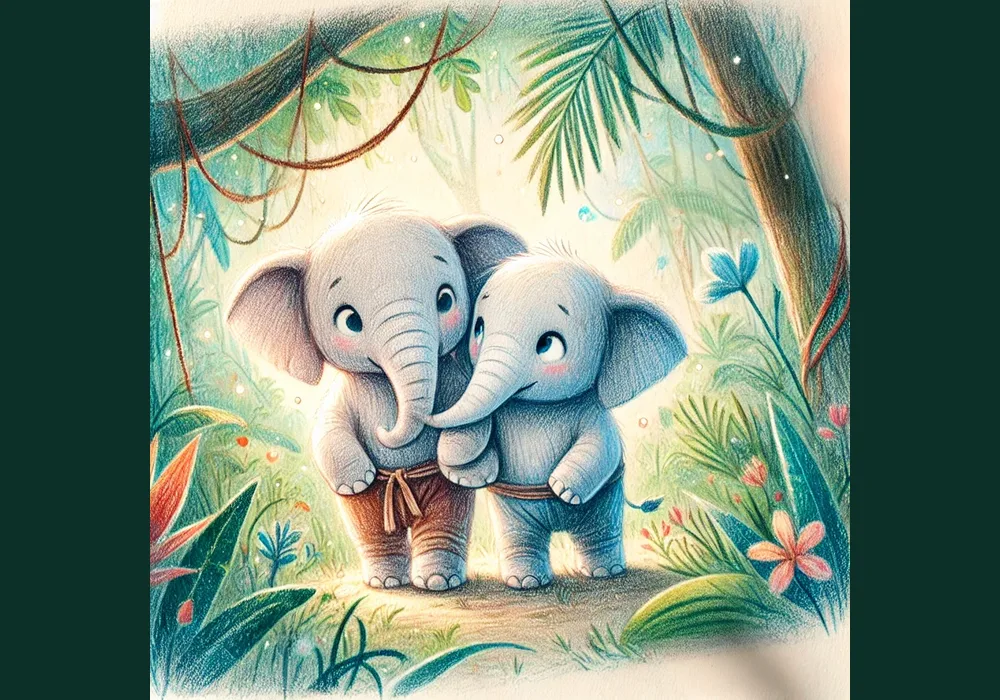
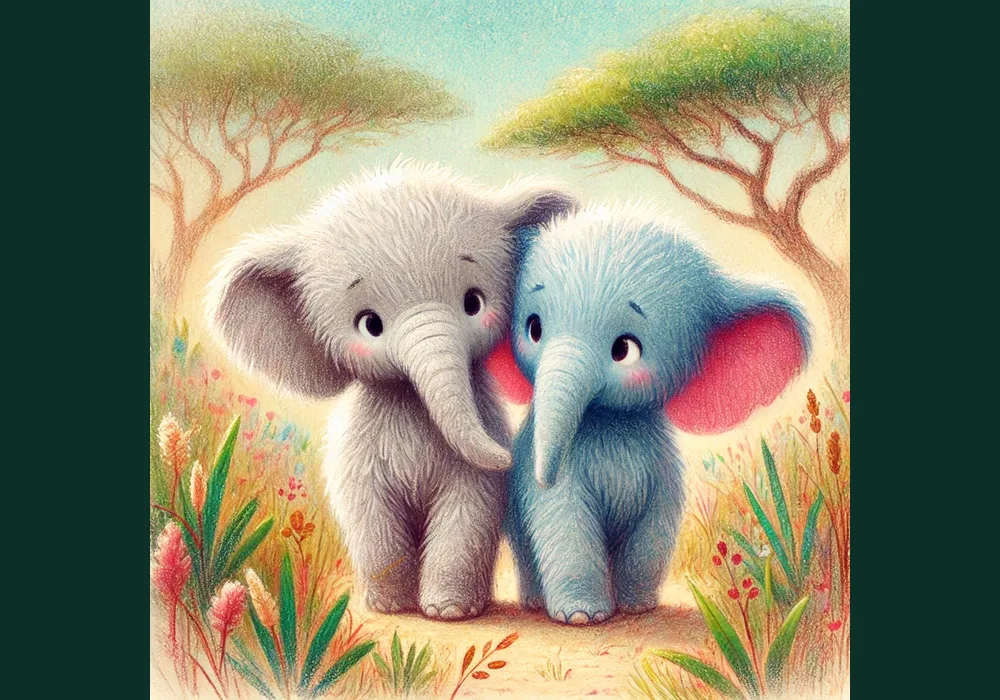
Friendly shapes, expressive faces, gentle texture, and luminous color create an inviting reading experience for younger audiences.
Selected illustration work
Let the gallery move, use the controls, or select any image for a closer view.
Complete illustration collection · select to enlarge
A clear creative journey
Each stage protects character continuity and page purpose while giving you useful moments to review the direction.
Review the manuscript, audience, format, characters, setting, themes, and scenes that deserve visual emphasis.
Establish references, palette, texture, rendering approach, age suitability, and the overall visual language.
Develop proportions, expressions, poses, clothing, distinguishing details, and useful continuity references.
Plan staging, focal points, page turns, text space, action, and the relationship between consecutive moments.
Translate approved sketches into polished artwork using the selected color, texture, light, and finish.
Check dimensions, bleed, safe areas, resolution, color, sequence, naming, and agreed output formats.
 ART + PRODUCTION
Beautiful and buildable
Illustrations should reproduce clearly and sit naturally inside the page design. That means considering the physical book while the artwork is still being planned.
Visual references protect faces, clothing, scale, color, and personality across scenes.
Important details stay clear of typography, gutters, captions, folds, and page-turn pressure.
Orientation, trim, bleed, and safe areas are planned before final rendering.
Resolution, color, file type, and delivery structure are checked before production.
Before the first sketch
Audience, style, scope, format, review stages, and delivery requirements should be understood before detailed artwork begins.
Illustration support can be planned for children’s books, fiction, educational projects, activity and coloring books, cover artwork, chapter elements, and selected visual storytelling needs in other genres.
Yes. References can help communicate mood, palette, detail, audience, and rendering preferences. The final direction should remain original rather than reproducing another artist’s protected work.
Approved character references establish proportions, colors, clothing, expressions, distinctive features, and scale before the complete sequence of scenes is rendered.
Yes. Sketch, composition, and color review stages are defined in the project scope so feedback arrives before detailed final rendering.
Artwork can be developed around the confirmed trim size, bleed, safe area, orientation, resolution, color requirements, and selected publishing specifications.
Helpful details include the manuscript or relevant pages, intended readers, illustration count, preferred style, trim size, color requirements, publishing format, and target schedule.
Start with a conversation
Tell us what you are creating and where you are in the process. We’ll help you identify a practical next step without pressure or a one-size-fits-all package.
Your next chapter starts here
Share where you are in the process. We’ll recommend a focused next step for your manuscript and goals.
Schedule a free consultation